
A competitive international center for fundamental research into correlated matter — from heavy fermions and unconventional superconductivity to quantum phase transitions.
CCM Seminar Series
CCM Seminar Series
CCM Seminar Series
The Center for Correlated Matter (CCM) was established in 2012 by Zhejiang University. Prof. Frank Steglich, discoverer of heavy fermion superconductivity, was appointed founding director.
Its mission is to become a competitive center both nationally and internationally for performing fundamental research into the physics of correlated matter. The CCM is dedicated to scientific research at the frontiers of correlated matter, with special attention to emergent quantum phases arising from tunable many-body electron interactions.
Current research interests include heavy fermion physics, unconventional superconductivity, quantum phase transitions, Kondo-lattice and mixed-valence behavior, spin liquids and Mott transitions. We synthesize new correlated systems and measure physical quantities under extreme conditions of low temperatures, high pressure and high magnetic fields.
A flagship meeting on heavy fermions, unconventional superconductivity, and quantum criticality, featuring plenary lectures, contributed talks, poster sessions, and on-site laboratory visits.
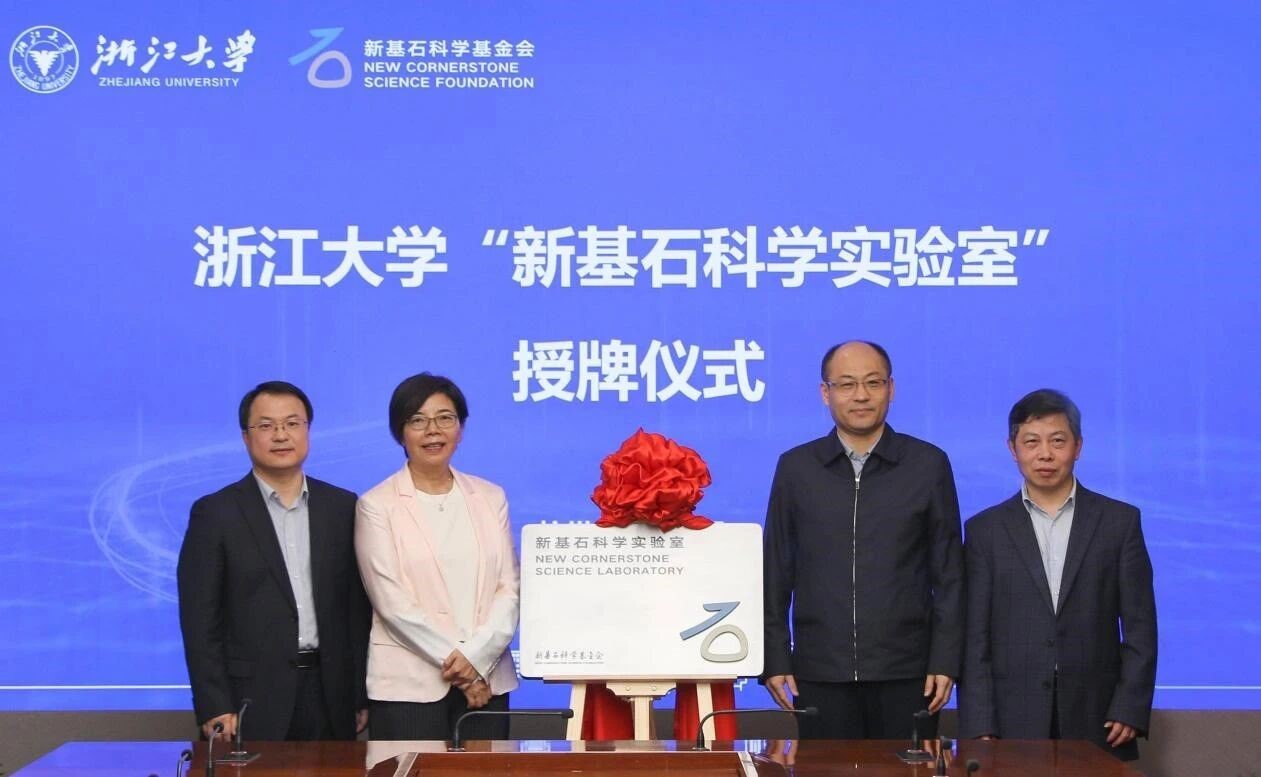
An intensive training program for graduate students and early-career researchers, with lectures on correlated electron systems, hands-on tutorials, and discussion sessions.
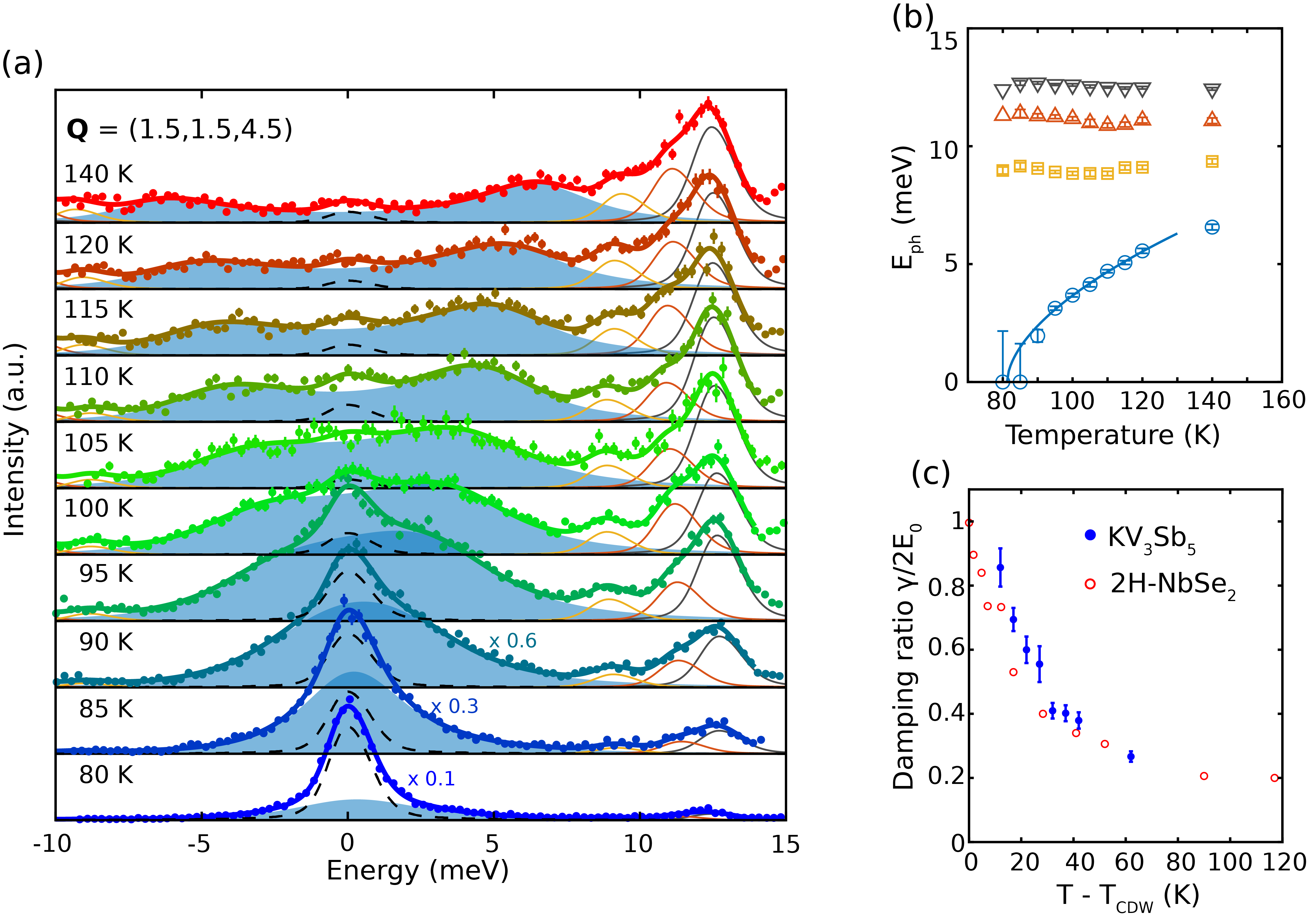
Joint symposium with partners from the University of Augsburg and Goethe University Frankfurt, focusing on emergent phases and extreme-condition measurements.
Bilateral workshop reviewing partner-group collaborations, with emphasis on neutron scattering, ARPES, and low-temperature transport studies.
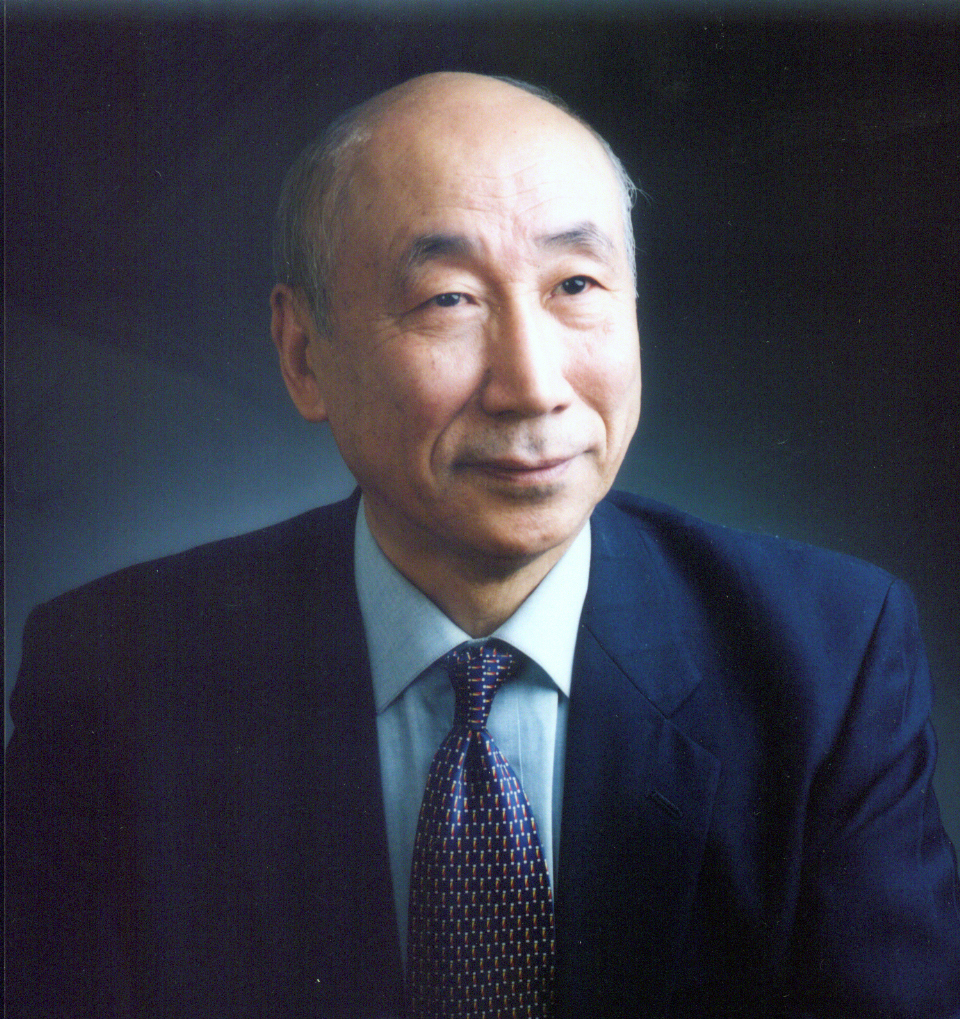
Heavy fermion superconductivity and quantum critical phenomena in strongly correlated electron systems.
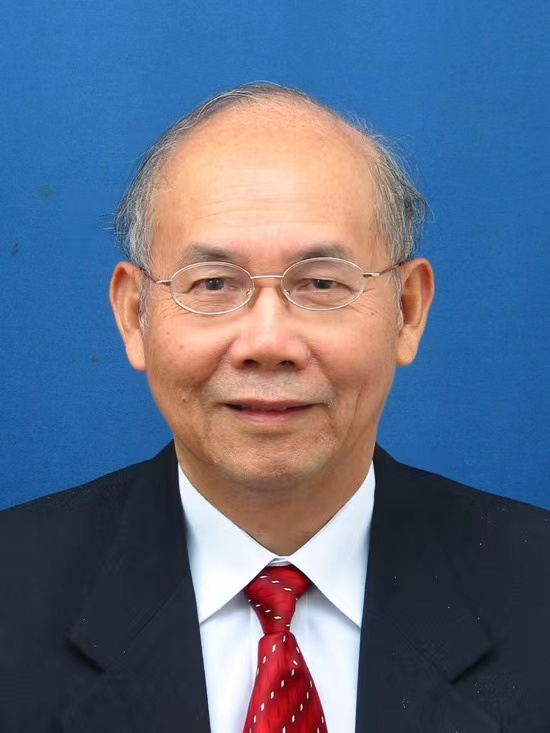
Quantum phase transitions, unconventional superconductivity, and materials under extreme conditions.
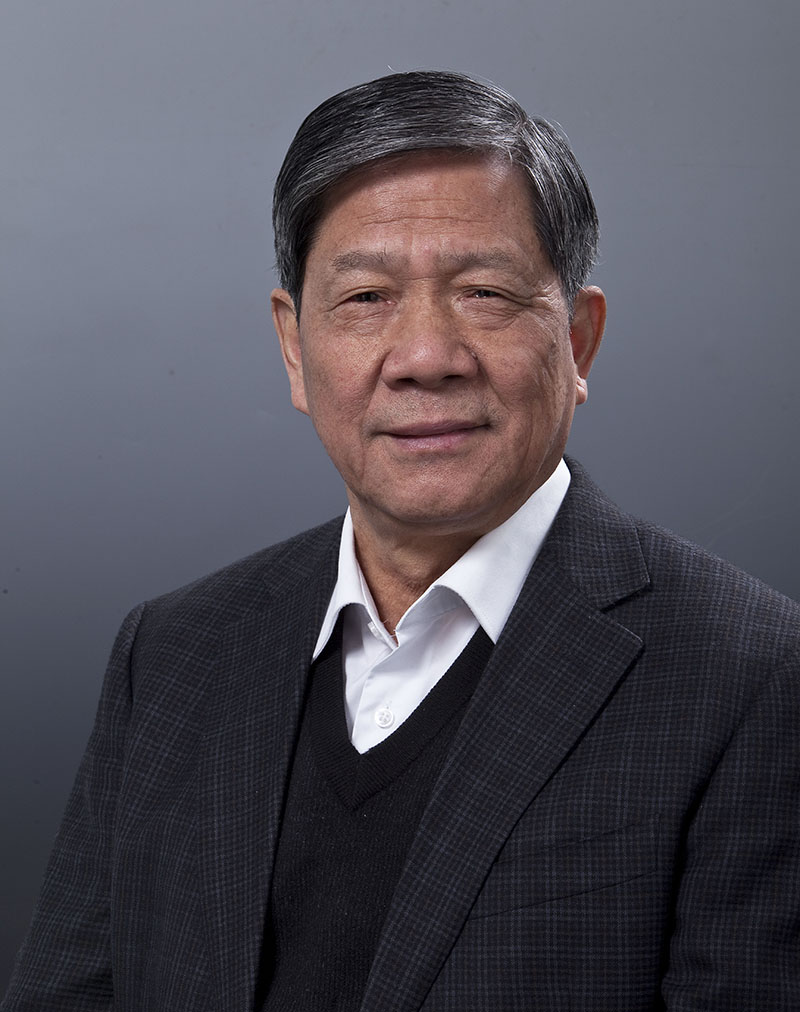
Spectroscopic studies of correlated matter and advanced measurement techniques.
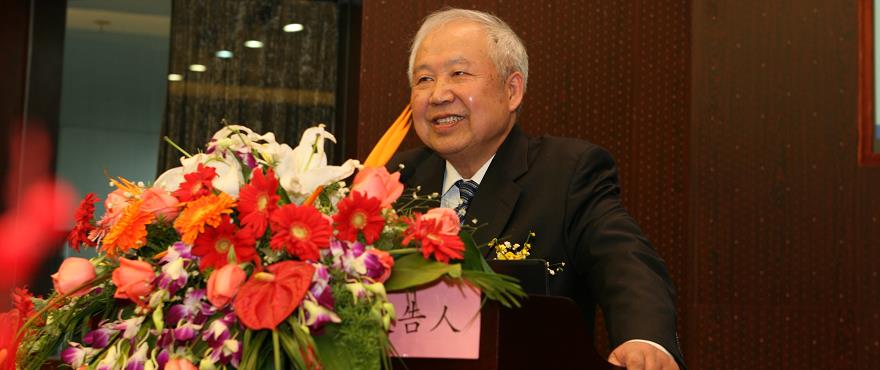
Topological states, spin liquids, and frustrated magnetism in novel quantum materials.
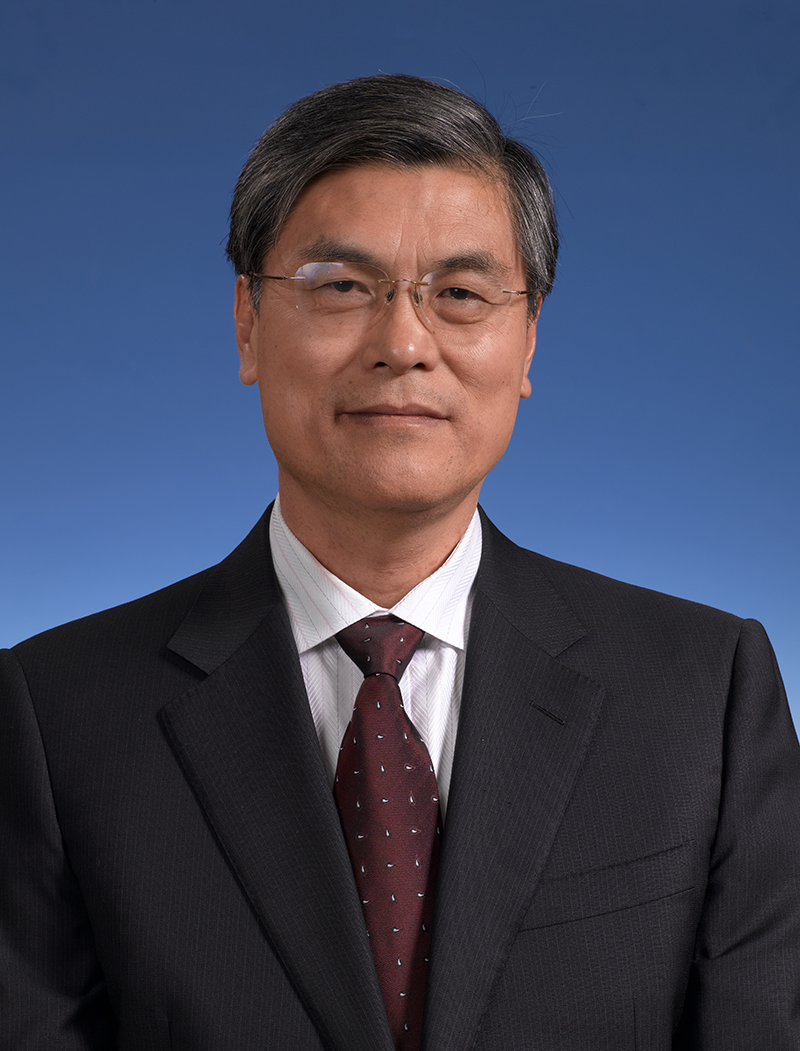
Center administration, international collaborations, and academic event coordination.
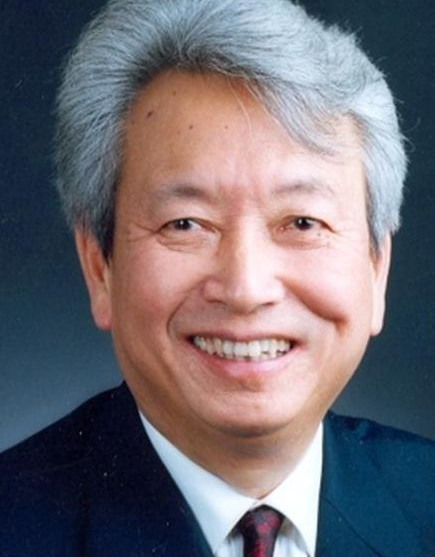
Laboratory operations, instrument maintenance, and safety management.
We are a partner group of the Max Planck Institute for Chemical Physics of Solids, Dresden. The Sino-German Cooperation Group on Emergent Correlated Matter connects CCM with the University of Augsburg and Goethe University Frankfurt. We collaborate with institutions worldwide including Los Alamos National Laboratory, Rice University, Cambridge, PSI, and the University of Tokyo.